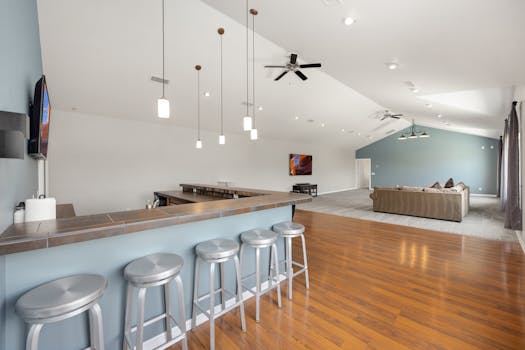

The allure of a dedicated home bar often conjures images of opulent lounges or dimly lit speakeasies. Yet, the reality of bar design for home transcends mere aesthetics; it’s a nuanced integration of personal lifestyle, spatial intelligence, and the creation of an immersive experience. Many homeowners mistakenly view it as a simple addition, overlooking the intricate considerations that transform a functional area into a captivating social hub. It’s about understanding how form, material, and lighting converge to create a space that reflects your personality and enhances your entertaining capabilities.
Unlocking the Potential: Strategic Placement and Space Optimization
The first, and arguably most critical, step in any successful bar design for home is astute spatial planning. Where your bar resides dictates not only its accessibility but also its impact on the overall flow of your living space. Think beyond simply slotting it into an underutilized corner; consider its proximity to other entertaining areas, kitchen access, and the potential for it to become a focal point.
Integrated vs. Dedicated Spaces: An integrated bar, perhaps a stylish counter in an open-plan living or kitchen area, can foster a casual, connected atmosphere. Conversely, a dedicated room or nook offers a more intimate, speakeasy-esque vibe, allowing for greater control over ambiance.
Maximizing Compact Footprints: For smaller homes, a cleverly designed bar cart or a built-in unit along a wall can be remarkably effective. Vertical storage solutions, such as tiered shelving or recessed cabinets, are invaluable for maximizing bottle and glassware capacity without encroaching on floor space.
The Illusion of Grandeur: In tighter spaces, consider how lighting and reflective surfaces can visually expand the area. Mirrored backsplashes or strategically placed pendant lights can create a sense of depth and sophistication.
Materiality Matters: A Foundation for Longevity and Style
The choice of materials is where the true character of your home bar begins to solidify. It’s a tactile and visual journey, impacting everything from durability to the overall aesthetic. My own experience has shown that investing in quality materials not only elevates the perceived value but also ensures the longevity of your investment.
Countertop Choices: The countertop is the workhorse. Granite and quartz offer exceptional durability and a sophisticated finish, resisting stains and scratches with ease. For a warmer, more organic feel, consider solid wood, though be mindful of its maintenance requirements. Marble, while stunning, demands careful sealing to prevent etching from acidic beverages.
Cabinetry and Finishes: Whether you opt for sleek, minimalist cabinetry or traditional shaker styles, the finish plays a crucial role. High-gloss lacquers can amplify light, while matte finishes offer a more contemporary, understated elegance. Stainless steel provides a commercial, robust feel, often favoured for its ease of cleaning.
Flooring Considerations: The flooring should complement the overall design and be practical for potential spills. Large format tiles or engineered wood are often excellent choices. If your bar is situated on a higher-traffic area, consider its slip resistance.
Lighting the Scene: Setting the Mood and Enhancing Functionality
Lighting is arguably the most potent tool in your bar design for home arsenal, capable of transforming a space from utilitarian to atmospheric in an instant. It’s not just about visibility; it’s about creating an experience.
Task Lighting Essentials: Adequate lighting above the bar surface is paramount for mixing drinks and serving guests. Under-cabinet LED strips provide a clean, focused glow, illuminating bottles and glassware without casting harsh shadows.
Ambient Illumination: Beyond task lighting, consider how to create a mood. Dimmable pendant lights or sconces can add warmth and intimacy. Consider accent lighting for displaying prized spirits or decorative elements.
Strategic Spotlighting: Don’t underestimate the power of a well-placed spotlight. It can draw attention to unique architectural features or highlight your curated collection of bottles, adding a touch of theatricality.
Beyond the Basics: Integrated Features and Personal Touches
Once the foundational elements are in place, it’s time to consider the finer details that elevate your home bar from functional to truly exceptional. These are the elements that inject personality and enhance the user experience.
The Essential Sink: A small bar sink is incredibly practical for rinsing glasses, disposing of ice, and general cleanup, significantly improving efficiency. Integrated soap dispensers and towel holders further streamline the process.
Refrigeration Solutions: Depending on your needs, a dedicated under-counter wine fridge for chilling whites and rosés, or a compact beverage cooler for beers and mixers, can be a game-changer. Consider the temperature zones required for different beverages.
Comfortable Seating: The bar stools are where guests will linger. Invest in comfortable, ergonomically sound seating that complements the height of your bar and allows for relaxed conversation. Swivel options add an element of dynamism.
A Touch of Greenery: Adding a few well-chosen plants can bring life and a sense of freshness to the space, softening the harder lines of the bar itself.
The Symphony of Seating and Storage
The interplay between seating and storage is crucial for a well-functioning and inviting home bar. It’s a delicate balance that ensures both comfort for your guests and efficient organization for you.
Bar Stool Ergonomics: Beyond visual appeal, the height and depth of your bar stools are critical. Ensure there’s adequate legroom and that the seating height aligns comfortably with the countertop. Consider materials that are easy to clean, especially in a social setting.
Intelligent Cabinetry Layouts: Think about how you’ll access your most frequently used items. Assign specific drawers or cabinets for glassware, cocktail tools, mixers, and garnishes. Adjustable shelves offer flexibility for varying bottle heights.
Open vs. Closed Storage: A mix of open shelving for displaying attractive bottles or decorative items and closed cabinetry for more utilitarian storage often strikes the perfect balance between aesthetics and practicality.
Wrapping Up: Your Home Bar as an Extension of Self
Ultimately, bar design for home is a deeply personal endeavour. It’s about curating a space that not only serves its intended purpose but also resonates with your individual style and enhances your social life. By carefully considering spatial planning, material selection, and the crucial role of lighting, you can craft a home bar that is both a functional asset and a cherished focal point.
What singular element will you prioritize to ensure your home bar truly reflects your personal brand of hospitality?